
As an English teacher I’ve come to expect at least one panicked student email the night before a writing assignment is due. In the body of the email I can usually find a phrase such as: “My essay isn’t finished yet!” or “can I get an extension?” As much as I anticipated these emails, I rolled my eyes when one arrived in my inbox. I’d reply saying something about the importance of deadlines and remind my student that the due date would not be moved. Then this summer happened, and my perspective on writing changed forever.
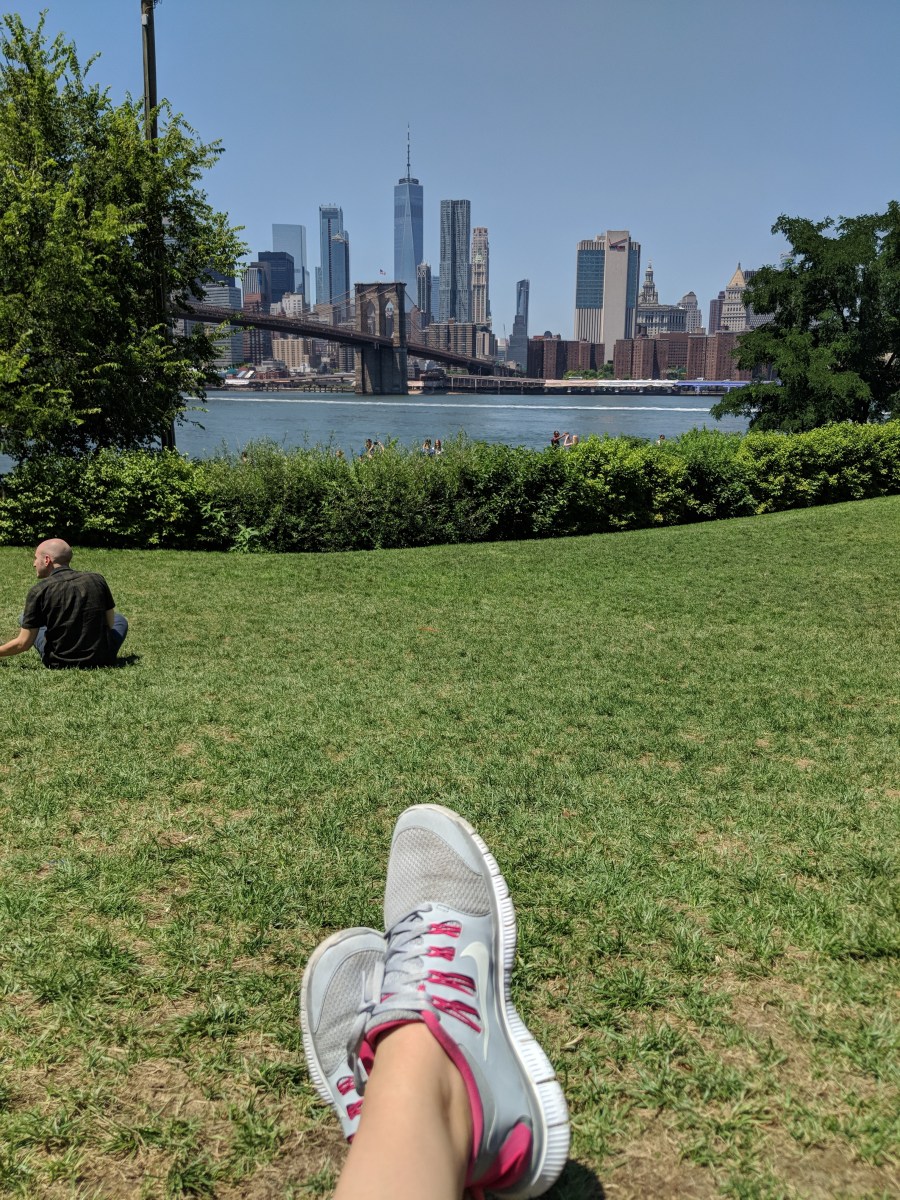
I had plans to spend the summer writing articles about teaching. I knew that I wanted to share my experience designing and developing a project-based unit, but I didn’t quite know how to go about it. I pictured long summer days spent writing about the benefits of PBL. Then summer arrived, and I found myself using every excuse to put off writing. The weather was “too perfect” to write” I told myself, or “I deserved to just do nothing today,” and when I got really desperate, I decided it was time to sign up for TSA precheck. Before I knew it, the calendar said August and I had only written one essay.
I wanted an extension, but I needed to return to the classroom. I had wasted two and a half months in anguish unable to write. After six years in teaching, I finally felt the frustration my students had been voicing. I always thought that writing should be a fun, informative way to express ideas and feelings. When it became a task that I feared, procrastination and frustration set in. As I settled into the new school year I decided to approach writing with a new mindset. I applied the following strategies to my classroom, and watched the transformation they had on my students’ and my personal writing.
1.Encourage free writing, even with upper-grades. Every year I teach students a formulaic approach to answering a question. This formula includes an answer, quote and explanation. While I still utilize this structure, I also encourage students to free-write answers to certain questions. These questions are labeled as such, and encourage a free-flow thought process. This free-writing allows students to explore their own writing voice without being limited by the constraints of a rigid writing structure.
2. Encourage opinion in writing. It is important to teach students to support their answers with evidence, but it is equally as important for students to have opinions in writing. They must be given the opportunity to develop those opinions through writing in the safe space of the classroom. I allow my students to voice their opinions on novels, characters and real-world situations. I hope these opportunities foster the ability to take a stance on an issue of importance in their lives.
3. Utilize peer review before teacher feedback. Even after expressing my own struggles with writing, some of my honors freshmen still become fearful at the idea of my edits appearing on their papers in red ink. They view teacher edits as a permanent judgement of performance. Sadly many often extend this to character judgement upon themselves. This can all be avoided by encouraging peer reviews prior to teacher feedback. The peer review has the added benefit of allowing students to read one another’s work and develop an understanding of a written assignment through a peers eyes.
4. Aim to expose students to a variety of writing styles. Every writer has their own voice that comes through in their writing. In order to encourage students to develop theirs, I aim to expose them to literature from a variety of sources. Whether examining the words of Malcolm Gladwell, John Steinbeck or Nicholas Kristof my students learn that every writer writes a little differently, a fact which makes their writing all the better.
5. Have flexible deadlines. If I learned anything last summer, it’s that writing takes time. It can take a day or a month, and good writing can’t be rushed. I hope to teach this with one flexible-deadline writing assignment per year. This provides the added benefit of showing students that I value their creative process enough to not insist that it always be rushed.
A Letter to My Students During COVID-19
A Letter to My Students From Your Teacher: Dear Students, Three weeks ago, our days were filled with anticipation for the upcoming spring break. We were finishing the novel “A Separate Peace,” and imaging what it was like to live at the boarding school where the novel takes place. We attempted the Harkness Method of…

What Reading Novels Taught Me About Loss
Death has a way of making everything seem trivial. All the rushing, all the worrying, and the drama just feels foolish when staring down the face of death. So far I can’t seem to get death to leave me alone. Even when it isn’t the focus in my life, it’s there, hanging in the winds,…
The Importance of Having a Hobby
When I was growing up, everyone I knew had a hobby. Of course we didn’t call them that, but that’s what they were. For some of us it was soccer, or select soccer if you were really good, ice skating, or maybe Girl Scouts. For me, it was basketball. Most days after school I would make…
 Cloverandbelle